Instruction Videos
Successfully create long-form Foleon Docs
8,587 views
What you'll learn
- Choose the right page layout that is consistent and predictable.
- Keep your audience engaged with a variety of elements.
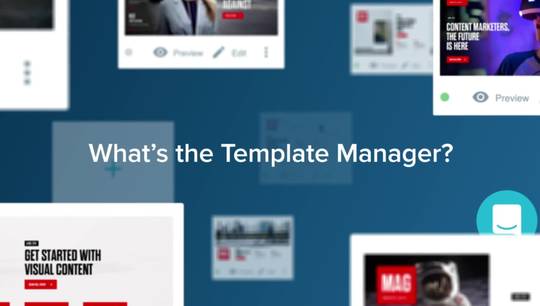
- Find the right template to start from.
View transcript
We sometimes see Foleon Docs created by our customers with multiple long pages, with endless text without subheads or categories. This can be a tough read for your audience. With minor adjustments you can achieve a more engaged reader experience and your content will even look much better too. Some content use cases that tend to include a lot of text are, White Papers, Newsletters, and Annual Reports. But of course this lesson is also relevant for other document types that include a lot of text. The differences in producing, let’s say a White Paper versus an annual report can be seen on the Content Scale. The Content Scale highlights the following… How much effort you need to put into the production of your Foleon Doc How long it generally will it take before it’s ready, and If there are any approval barriers before it can be sent out To make the layout and responsive design easier, faster and more fun we’ll have a look at some layout structures and templates you can start off with next time. This means, for your readers, the Doc will be more consistent, predictable, and easy to read. When we talk about long format we really mean large amounts of text. Pages are built up through blocks that stack on top of each other. Here we see what two different layout structures of a block can look like. One column means that most of the text is placed in the middle column only. This layout works well for documents with long copy, where the text will continue over several blocks. Three column layouts allow you to divide your text across more than one column. This layout works well if you combine several topics on a page, each block structure containing one topic. Let’s take a look at a full page example of each. Notice how the page is built out by stacking blocks on top of each other. Also, notice how the main text blocks repeat down the page layout. For your readers, a layout like this will make the Doc more consistent and predictable. Besides the main text blocks, the pages are built out by starting with a header block. Followed by a quote or image block to help continue the engaged interest. Ending with a footer block that includes a previous and next button. And there you have it! To know which layout is the right choice for your next Foleon Doc, consider what your text structure is going to be. Is your content one long story, or do you have shorter chunks covering different topics? For content that is one long story we recommend using the one-column block layout. For texts covering multiple subtopics the three column layout would be a better solution. Using templates does not restrict creative freedom or brand compliance in any way. Every predefined setting can be overruled if needed. The templates represent an editorial backbone to make it easier for you and the reader. Templates can be expanded or reduced to fit the length of your content piece, by simply deleting or duplicating parts, or by dragging in new template pages or blocks. I’ll show you two templates that are great for long format: Did those layouts look familiar? I hope so! These layouts have already been built into our default Foleon templates located right on your dashboard. You can start with one of these right away! Now, go ahead and make awesome looking, long format Foleon Docs that your readers just can’t get enough of. Thanks for watching!